


The pricing of historic vehicles is subject to a multitude of factors that interplay to determine their market value. Among these, the condition of the vehicle stands out as a primary influencer. A vehicle that has been meticulously maintained or restored to its original state can command a significantly higher price than one that shows signs of wear and neglect. Collectors and enthusiasts often seek vehicles that not only operate effectively but also possess aesthetic appeal, thus elevating their market rating.
In addition to condition, prevailing trends within the collector car community greatly impact pricing. Changes in consumer preferences can shift demand toward specific makes, models, or eras of vehicles, consequently affecting their market value. For instance, a surge in popularity for vintage muscle cars may drive up the prices of models from that category, while other types might experience a decline in interest. Such trends are often influenced by media coverage, auction results, and automotive events where historic vehicles are showcased.
Finally, the rating system, which assesses vehicles based on factors such as authenticity, rarity, and pedigree, plays a crucial role in establishing their worth. High ratings can significantly enhance an automobile’s desirability, leading to increased competition among buyers and driving prices upward. Conversely, a low rating due to poor documentation or restoration history can hinder a vehicle’s market potential, despite its historical significance.
Understanding Market Demand and Supply Dynamics
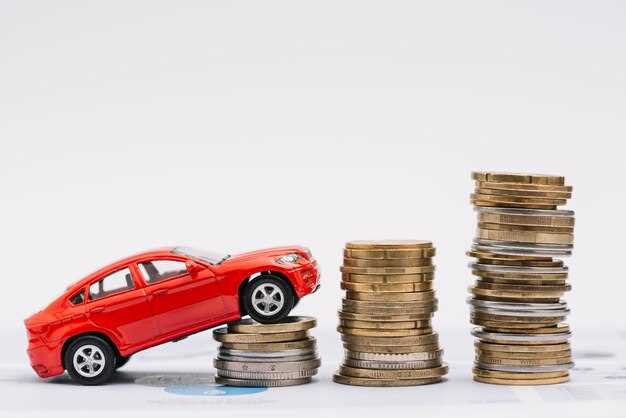
Market demand and supply dynamics play a crucial role in determining the pricing of historic vehicles. The interaction between what buyers are willing to pay and the availability of specific models creates a delicate balance that influences the market trends.
Demand for historic vehicles often fluctuates based on various factors such as consumer preferences, trends in vintage automotive culture, and economic conditions. For instance, during periods of economic growth, the demand for classic cars tends to rise, as more collectors and enthusiasts are willing to invest in luxury and nostalgic items. Conversely, economic downturns can lead to decreased demand as potential buyers prioritize necessities over luxury purchases.
On the supply side, the rarity and condition of vehicles significantly affect their market rating. Limited production models or those with unique features often command higher prices due to their scarcity. Additionally, vehicles that have been well-maintained or restored to a high standard can experience increased demand, further driving up prices. This supply constraint can also lead to increased interest in certain models, contributing to price inflation as eager buyers compete for limited inventory.
Understanding these dynamics is essential for both buyers and sellers in the historic vehicle market. Buyers must be aware of market trends and the current demand levels to avoid overpaying, while sellers should recognize the significance of their vehicle’s rarity and condition in setting an appropriate price. Keeping an eye on the overall market conditions can provide valuable insights into how demand and supply will affect pricing in the future.
Assessing Vehicle Condition: Impact on Valuation
The condition of a historic vehicle plays a crucial role in its overall valuation. As collectors and investors navigate the market, trends indicate that preserved and well-maintained vehicles tend to command higher prices than those requiring extensive refurbishment. The evaluation process often includes a detailed inspection focusing on key elements such as the exterior, interior, mechanical systems, and documentation.
The rating system for vehicle condition can significantly affect pricing. For instance, a vehicle classified as “Concours” represents the highest level of condition, indicating it is restored to its original specifications and maintained meticulously. In contrast, a vehicle in “Project” condition may require considerable investment to become roadworthy, thus lowering its market value. Buyers are increasingly informed and demand transparency regarding these ratings, driving home the importance of accurate assessments.
Additionally, specific historical elements, such as original parts and documented service history, can enhance a vehicle’s rating and subsequently its price. The rarity of a model, combined with its condition, creates a complex equation that influences valuation. Understanding these nuances is essential for buyers and sellers alike, ensuring that both parties perceive the fair market value based on accurate vehicle condition assessments.
Evaluating Historical Significance and Rarity in Pricing

When assessing the price of historic vehicles, understanding their historical significance and rarity plays a crucial role. The condition of the vehicle is often the foremost factor, as it directly influences both its market value and perceived importance. A well-preserved example of a rare make or model can command a significantly higher price than one in poor condition.
Historical significance encompasses the vehicle’s place in automotive history, such as its role in technological advancements or cultural movements. Vehicles that represent important milestones or innovations tend to attract collectors and enthusiasts, leading to increased demand in the market. Therefore, a car that was instrumental in a particular era or event may be rated higher due to its notable background.
Rarity is another essential factor affecting pricing. Limited production runs or unique models can create a sense of exclusivity, driving prices upward. Collectors often seek out these rare specimens, resulting in competitive bidding and heightened market interest. When assigning a rating to a vehicle, factors such as production numbers and current availability must be considered, as they will impact both current market value and future appreciation potential.
In conclusion, the interplay between condition, historical significance, and rarity forms the foundation for evaluating historic vehicle pricing. Each element contributes uniquely to the overall rating, ultimately determining how the vehicle is perceived and valued in a competitive market.


