

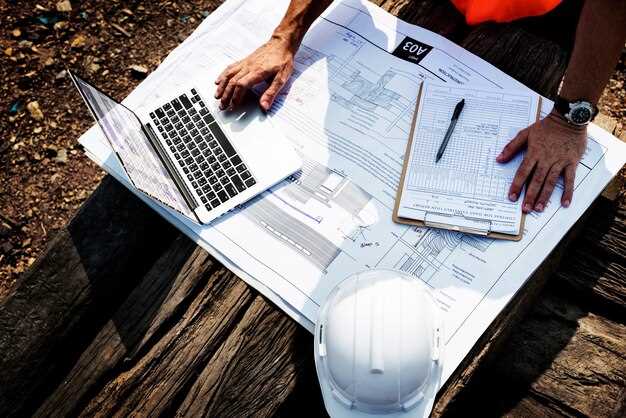
In today’s rapidly evolving architectural landscape, the importance of ensuring safety in unique structures cannot be overstated. As architects and engineers push the boundaries of design, the need for rigorous structural evaluation becomes paramount. These buildings often exhibit unconventional forms and innovative materials, making traditional assessment methods insufficient. Consequently, certifying structural integrity has emerged as a critical step in the construction of unique edifices.
A comprehensive structural integrity report serves as a vital tool in evaluating the resilience of these one-of-a-kind constructions. It encompasses detailed analyses that assess factors such as load distribution, material properties, and environmental influences. By relying on advanced technologies and engineering principles, professionals can provide insights that not only ensure compliance with industry standards but also enhance the longevity and performance of the building.
Ultimately, the certification process is about more than just meeting regulatory requirements; it is about fostering a culture of safety and trust within the community. Clients, investors, and the public need to have confidence that these innovative structures are safe and stable. Through meticulous evaluation and transparent reporting, stakeholders can rest assured that every unique building is backed by the highest standards of structural integrity.
Assessment Techniques for Non-Traditional Architectural Designs
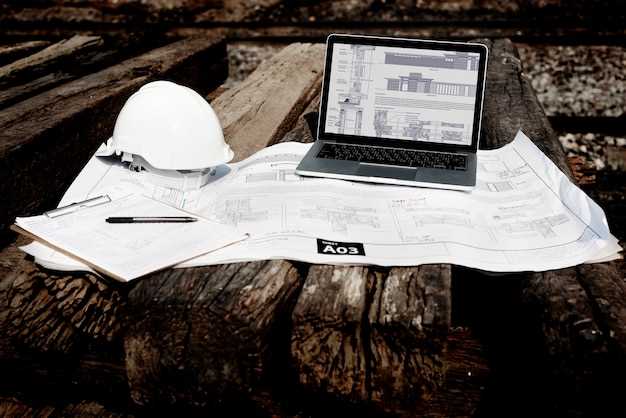
Non-traditional architectural designs often challenge conventional assessment methods due to their unique geometries and materials. To ensure safety and reliability, specialized techniques must be employed to evaluate their structural integrity effectively.
The following assessment techniques are commonly utilized for non-traditional designs:
- Finite Element Analysis (FEA)
- Utilizes numerical methods to estimate the behavior of complex structures under various loads.
- Helps in identifying stress points and potential failure areas.
- Dynamic Response Analysis
- Assesses how a structure responds to dynamic forces such as wind or earthquakes.
- Includes modal analysis to understand natural frequencies and modes of vibration.
- Physical Testing
- Involves material testing to determine properties such as strength, ductility, and tolerance.
- Conducts load testing on scale models or full-size structures to validate theoretical predictions.
- Structural Health Monitoring (SHM)
- Employs sensors to continuously monitor the condition and performance of structures.
- Prevents potential failures by providing real-time data and diagnostics.
- Non-Destructive Testing (NDT)
- Utilizes various techniques such as ultrasonic testing or radiography to evaluate materials without causing damage.
- Essential for early detection of flaws or weaknesses in critical components.
Each of these techniques contributes to a comprehensive assessment report that demonstrates the structural integrity of non-traditional designs. By integrating these methods, engineers can enhance the safety and performance of innovative buildings, ensuring they meet both aesthetic and functional requirements.
Key Criteria for Structural Integrity Evaluation
When assessing the structural integrity of unique buildings, several key criteria must be carefully evaluated. These criteria ensure that the structure can withstand various loads and environmental conditions while maintaining safety and functionality.
One of the primary factors in this evaluation is load analysis. It involves calculating the expected loads the structure will encounter, including dead loads, live loads, wind loads, and seismic loads. Accurate load analysis is essential for creating a comprehensive structural report that reflects the building’s capabilities.
Material quality is another pivotal criterion. The strength and durability of construction materials directly influence the structural integrity. Evaluators must check for compliance with relevant standards and specifications, ensuring that the materials used are appropriate for the intended purpose and conditions.
Design and construction methods also play a crucial role. A thorough review of design plans and methodologies is necessary to confirm that they adhere to established engineering principles. This process helps to identify potential weaknesses or design flaws that could compromise the structure’s integrity over time.
Regular inspections are essential in maintaining structural integrity. A systematic check of the building over its lifecycle allows for early detection of deterioration or damage. Inspection reports should document findings, enabling proactive measures to be taken to address any issues identified.
Lastly, environmental factors must not be overlooked. Factors such as soil conditions, weather patterns, and potential natural disasters should be incorporated into the evaluation process. Understanding how these elements interact with the structure can help predict and mitigate risks that may threaten its longevity and safety.
Understanding the Role of Structural Reports in Safety Compliance
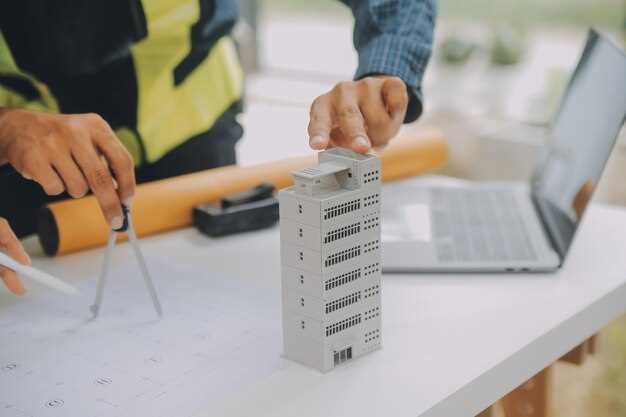
Structural reports serve as essential documents that evaluate the integrity and safety of buildings. These reports provide comprehensive assessments of a structure’s design, materials, and construction methods, ensuring compliance with local safety regulations and building codes. By detailing the findings of structural inspections, these reports play a vital role in identifying potential weaknesses and risks associated with the building’s framework.
Safety compliance hinges on the accurate analysis presented in structural reports. They highlight critical elements such as load-bearing capacities, structural connections, and the condition of materials used. If discrepancies are identified, corrective actions can be implemented to mitigate risks and enhance overall safety. This proactive approach is especially crucial for unique or unconventional buildings, where standard practices may not apply.
Moreover, structural reports facilitate communication between engineers, architects, and regulatory bodies. They serve as a formal record that can be referenced during inspections and when applying for permits, thereby streamlining the compliance process. Understanding the findings within these reports empowers stakeholders to make informed decisions regarding maintenance, renovations, or structural upgrades.
Ultimately, structural reports not only contribute to ensuring the safety of a building but also protect investments by minimizing liability issues. With a thorough understanding of the role these reports play, stakeholders can better appreciate their significance in the realm of safety compliance.


