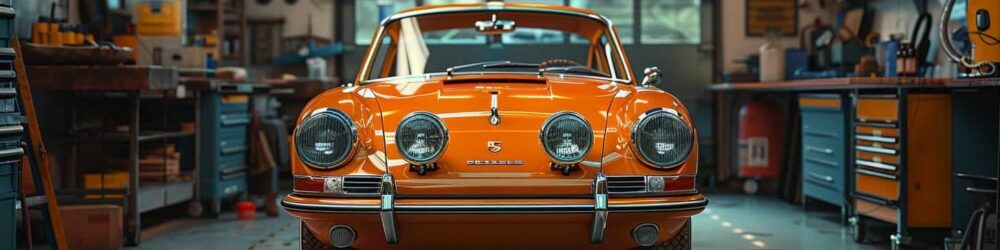


When investing in a historic car, one of the most critical steps is selecting the right inspector to conduct a thorough inspection. The unique characteristics and potential issues of vintage automobiles require an inspector with specialized knowledge and experience. A well-conducted inspection can not only provide insights into the car’s condition but also safeguard your investment against unforeseen repairs and damages.
Finding a reliable service that offers qualified inspectors is essential. The ideal inspector should possess a deep understanding of automotive history, restoration techniques, and the specific nuances of the make and model you are considering. Their expertise will help discern original components from aftermarket modifications, ensuring that you are fully informed about the vehicle’s authenticity and value.
Beyond credentials, communication is key. A good inspector will be willing to explain their findings clearly and address any concerns you may have during the inspection. Taking the time to choose the right professional not only enhances your confidence in the purchase but also enriches your overall experience as a historic car enthusiast.
Evaluating Qualifications and Experience of Classic Car Inspectors
When choosing a classic car inspector, it is imperative to assess their qualifications and experience to ensure that the inspection service meets your specific needs. Start by confirming their certifications. Many reputable inspectors hold certifications from recognized organizations that specialize in classic and vintage automobiles. These credentials not only demonstrate their expertise but also indicate a commitment to ongoing education in the field.
Experience is another crucial factor. Consider how long the inspector has been performing classic car inspections. An inspector with extensive experience is likely to have encountered a wide range of issues and can provide insights that less experienced inspectors may overlook. Ask for examples of different types of vehicles they have inspected in the past, particularly those that are similar to your own car.
It’s also beneficial to inquire about the inspector’s familiarity with specific makes and models. Some classic cars have unique components and systems that require specialized knowledge. An inspector who has a deep understanding of the specific vehicle you own will be better equipped to identify potential problems and provide accurate evaluations.
In addition to technical knowledge, an inspector should possess strong analytical skills. During an inspection, they should be able to conduct a thorough assessment, offering a detailed report on the car’s condition. This includes not just apparent issues but also potential future concerns that might not be immediately visible.
Finally, check for reviews or testimonials from previous clients. Feedback from those who have previously utilized the inspector’s service can provide valuable insights into their professionalism and the quality of their work. A well-reputed inspector will often have a portfolio or case studies that highlight successful inspections and satisfied clients.
Understanding the Inspection Process and Key Areas of Focus
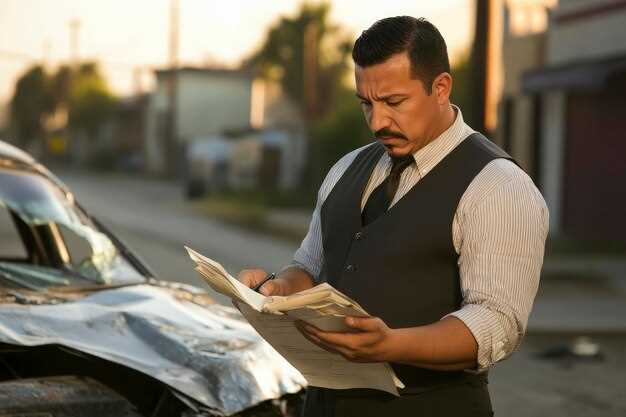
When it comes to classic cars, a thorough inspection is essential to preserve their value and ensure safety. The inspection process typically involves several critical steps that help assess the overall condition of the vehicle.
Initial Assessment: The inspector begins with a visual examination of the car to identify any obvious issues in its exterior and interior. This includes checking for rust, paint imperfections, and any signs of previous repairs that may not have been up to standard.
Mechanical Systems: Next, a detailed check of the engine, transmission, brakes, and suspension is conducted. These components are vital for the performance and safety of classic cars. The inspector will look for any leaks, unusual noises, or signs of wear that could indicate the need for service or replacement.
Electrical System: The electrical system is another focus area, where the inspector will evaluate the condition of the wiring, lights, and instruments. Proper functioning of electrical components is crucial for ensuring safety and providing a reliable driving experience.
Underbody Inspection: A thorough inspection of the underbody can reveal hidden issues such as frame damage or deterioration caused by rust. This area is often overlooked, yet it is critical in assessing the structural integrity of the car.
Documentation Review: Lastly, reviewing the vehicle’s documentation, including its service history and any past inspections, provides insights into the car’s maintenance and any potential issues. Complete records indicate that the vehicle has been well cared for and may enhance its value.
Choosing an experienced inspector who understands the nuances of classic car restoration ensures that all these key areas are examined meticulously. This careful assessment not only protects your investment but also maintains the charm and authenticity of the classic vehicle.
Comparing Inspection Costs and Services Offered by Various Inspectors

When selecting an inspector for classic cars, it is essential to evaluate the costs associated with their services. Different inspectors may offer varying price structures based on their expertise, the depth of the inspection, and the specific needs of the vehicle. While some may charge a flat fee, others might offer hourly rates, potentially leading to higher overall costs if the inspection becomes extensive.
In addition to cost, the services provided by different inspectors can significantly vary. Some inspectors may focus solely on visual assessments, while others incorporate detailed mechanical evaluations, providing a more thorough understanding of the car’s condition. Features such as a comprehensive report, digital documentation, and recommendations for repairs can influence the overall value of the service being offered.
Furthermore, consider the inspector’s background and experience with classic cars specifically. An inspector who specializes in vintage models may have a deeper understanding of issues unique to these vehicles, potentially offering insights that a general inspector might miss. While their fees may be higher, the expertise they provide can be invaluable in making an informed purchasing decision.
Ultimately, balancing costs with the range of services offered is key to selecting the right inspector. Potential clients should not only seek the lowest price but also ensure they receive comprehensive, reliable evaluations that justify the investment. Thoroughly comparing different inspectors will aid in finding a solution that meets both budgetary constraints and quality expectations in classic car inspections.


