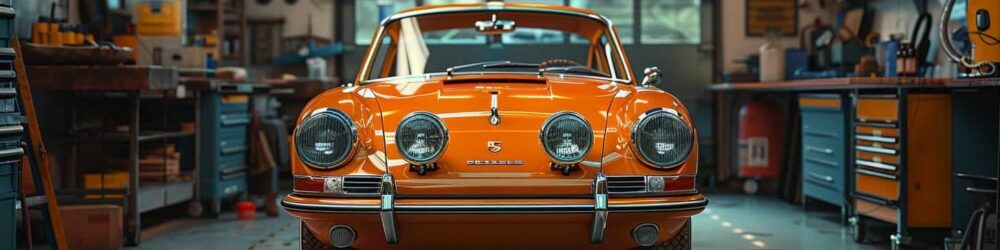


When it comes to vintage cars, the allure of their classic aesthetics often overshadows the critical need for thorough inspection. Many enthusiasts and collectors find themselves captivated by the stunning lines and iconic designs, but without a comprehensive understanding of what to look for, hidden defects can easily go unnoticed. This article delves into the essential techniques for uncovering these concealed impairments, ensuring that your investment remains sound.
A visual examination is the cornerstone of identifying potential issues in a vintage vehicle. By honing your observation skills and knowing where to direct your scrutiny, you can significantly reduce the risks associated with purchasing a classic car. Particular attention should be paid to areas where paint may appear uneven or distressed; a striking red hue may conceal rust beneath, leading to more considerable restoration costs down the line.
Ultimately, understanding the intricacies of vintage car condition goes beyond mere aesthetics. By adopting a meticulous approach to inspection and mastering the art of visual analysis, you can reveal the secrets hidden beneath the surface, ensuring that your vintage beauty is not just an attractive facade but also a reliable piece of automotive history.
Common Visual Cues of Rust Damage
Identifying rust damage during an inspection of vintage cars is crucial for any potential buyer or enthusiast. Rust can compromise the structural integrity and aesthetic appeal of a vehicle. There are several visual flags to look out for when evaluating a classic car for hidden rust issues.
One of the most noticeable signs of rust damage is the presence of surface rust patches, which often appear as reddish-brown spots on the metal surfaces. These can be found on the body panels, under the wheel wells, and around door frames. Checking for these initial signs during an inspection can help in assessing the extent of corrosion.
Another common cue is bubbling or flaking paint, which can indicate that rust has formed beneath the surface. This phenomenon occurs when moisture seeps through the paint, leading to oxidation. Inspecting the areas around the edges of panels and near seams is essential, as these spots are more prone to rust accumulation.
It’s also important to inspect the undercarriage of the vehicle. Look for any signs of rust on the frame, floorboards, and suspension components. A thorough visual examination of these parts can uncover hidden rust that may not be visible from the outside.
Lastly, pay attention to any odd patches or inconsistent paint work. If repairs have been made without proper rust treatment, it can lead to additional rust formation. This could signal poor maintenance practices and potential problems down the line. Being vigilant about these visual flags during an inspection can save potential buyers from costly repairs and preserve the classic beauty of vintage cars.
Identifying Structural Issues through Exterior Examination

Conducting a thorough inspection of a vintage car’s exterior is crucial for identifying potential structural issues. A visual assessment can reveal signs of rust, corrosion, or body damage that may not be immediately apparent. Start by examining the paint for inconsistencies; any signs of red flags such as unevenness or overspray could indicate previous repairs or hidden problems.
Pay particular attention to areas commonly affected by deterioration, such as wheel wells, undercarriage, and the edges of body panels. Utilize a flashlight to enhance visibility in darker areas where structural issues may be concealed. Look for gaps between body panels; irregularities might suggest misalignment caused by previous accidents.
Inspect the frame for any signs of bending or cracking. A twisted frame can lead to long-term performance issues. Additionally, check the firewall and trunk for evidence of impact, as these components play a vital role in the vehicle’s overall structural integrity. By systematically evaluating these areas, you increase the likelihood of uncovering hidden defects in a vintage car.
Assessing Paint Quality to Uncover Previous Repairs

Evaluating the paint quality of a vintage car is crucial in identifying potential hidden defects and previous repairs. A uniform and consistent paint job is essential for both aesthetic appeal and structural integrity. Red flags often emerge during a visual inspection, signaling areas that may have undergone repair work.
Begin by examining the paint surface closely for inconsistencies, such as variations in color or texture. A mismatch in hue, even slight, can indicate that specific panels were resprayed. Pay attention to overspray on adjacent parts, which suggests a lack of professional care during touch-ups. Furthermore, differences in gloss levels can reveal areas where the paint has been applied differently due to repairs.
Another critical aspect is the presence of blemishes, such as bubbles or peeling. These defects often indicate poor adhesion and may stem from poor-quality paint application or underlying damage. Assess the quality of the clear coat; any dullness or fading may suggest age or prior repairs that were not properly executed.
Utilizing a paint depth gauge can provide quantitative data on the paint layers, further highlighting inconsistencies. Variations in depth readings across the vehicle’s surface may point to filler material beneath, which typically indicates repairs to body damage.
In conclusion, a thorough visual assessment of the paint quality, along with attention to the specific red flags, can reveal past repairs and hidden defects in vintage cars. Such diligence will aid in making informed purchasing decisions and preserving the vehicle’s historical value.


