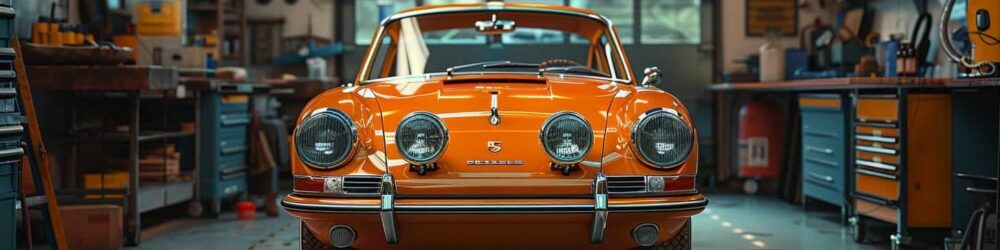

Restoring a classic car is an exciting journey that requires careful planning and a well-defined timeline. This process not only revitalizes the vehicle’s appearance and performance but also allows enthusiasts to connect with automotive history. Knowing the essential steps involved in restoration can make the experience more rewarding and less daunting.
The first stage in any restoration project is thorough planning. This involves assessing the condition of the car, determining the scope of work required, and setting a realistic budget. Evaluating what parts can be salvaged versus what needs to be replaced is crucial in this early phase. Having a well-thought-out plan sets the foundation for a smoother restoration process.
Once the planning phase is complete, establishing a clear timeline becomes vital. Setting milestones for each segment of the restoration–from disassembly to reassembly–helps track progress and maintains motivation throughout the project. A structured timeline also allows for adjustments as challenges arise, ensuring the restoration stays on course and aligns with your goals.
Assessing the Condition and Setting a Budget
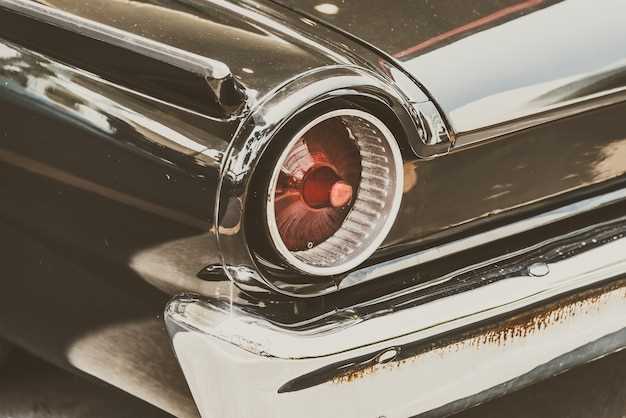
Before embarking on the restoration of a classic car, it is essential to assess its current condition thoroughly. This step lays the groundwork for the subsequent stages of the project. Begin with a detailed inspection of the vehicle’s exterior, frame, engine, and interior. Take note of any rust, body damage, or mechanical issues that need addressing. Documenting these findings will help in determining the extent of the restoration required.
Next, categorize the necessary restorations into critical areas: cosmetic, mechanical, and structural. Cosmetic restorations may involve paintwork, upholstery replacement, or trim adjustments. Mechanical work could include engine rebuilding, transmission repairs, or brake system upgrades. Structural repairs might focus on chassis reinforcement or rust removal. Understanding these categories allows for more organized planning throughout the restoration process.
After assessing the vehicle’s condition, it’s crucial to set a realistic budget. Consider all potential costs, including parts, labor, tools, and unexpected repairs that may arise during the restoration stages. It may be beneficial to create a detailed spreadsheet that outlines estimated costs in each category. Be sure to account for professional services if you lack the skills or tools for specific tasks, as these can significantly impact your overall budget.
Finally, prioritize your restoration goals. Identify which aspects of the project are most important to you and allocate your budget accordingly. By planning ahead and setting a clear financial framework, you’ll navigate the restoration process more efficiently and enjoy the journey of bringing your classic car back to life.
Creating a Detailed Restoration Timeline
When embarking on the journey of restoring a classic car, planning is crucial for a successful outcome. A well-structured timeline not only helps you stay organized but also allows you to manage your resources efficiently. The first step in creating this timeline is to outline the various stages of the restoration process.
Begin by assessing the current condition of the vehicle. This initial evaluation will guide you in determining the extent of the work required. Common stages include disassembly, repairs, rust treatment, parts replacement, paint job, and reassembly. Each of these stages should be assigned a realistic timeframe, taking into account potential delays and the availability of parts.
Next, prioritize the stages based on the complexity and urgency of each task. Some tasks may need to be completed before others can commence, which can affect your overall timeline. For example, chassis repairs must be finished before any bodywork can begin.
As you refine your timeline, consider setting milestones for each stage. These milestones will serve as checkpoints, allowing you to monitor progress and make adjustments as necessary. Regular assessments will help keep the restoration on track and within budget.
Lastly, remain flexible. Classic car restoration is often unpredictable, and unforeseen issues can arise. Acknowledging this will allow you to adapt your timeline without losing sight of your ultimate goal: reviving a classic piece of automotive history.
Choosing the Right Parts and Materials for Authenticity
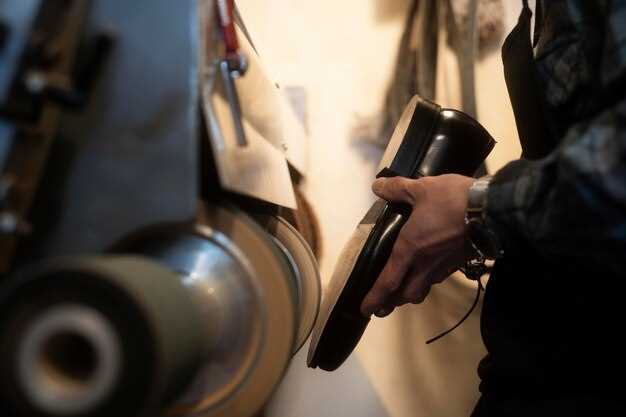
When embarking on the restoration of a classic car, one of the most critical stages involves selecting the appropriate parts and materials. Authenticity is key to preserving both the vehicle’s value and its historical significance. The timeline of your restoration project can be greatly affected by the decisions made in this phase, as sourcing genuine or period-correct parts may take time and research.
Begin by identifying the specific model and year of your classic car. This information will guide you in finding parts that align with the original specifications. You may consider consulting with experts in classic car restoration or joining forums dedicated to your car model. These resources can provide insights on reputable suppliers and aftermarket parts that are well-regarded among enthusiasts.
Next, assess the condition of the existing components of your vehicle. In some cases, original parts may be salvageable and can be refurbished instead of replaced. However, if replacement is necessary, prioritize finding OEM (Original Equipment Manufacturer) parts. These parts ensure a closer match to the original design and performance, enhancing the authenticity of the restoration.
While sourcing components, pay close attention to materials as well. Classic cars often used specific types of metal, wood, or other materials that may not be available in modern equivalents. Seek out suppliers who specialize in period-correct materials to maintain the integrity of the restoration. Additionally, using proper finishes and coatings that reflect the original specifications will contribute to the overall authenticity.
Documentation is another essential aspect. Keep detailed records of each part you acquire, including receipts and historical references. This not only aids in maintaining accuracy throughout the restoration stages but also serves as valuable information for future owners or appraisers.
Ultimately, investing time and effort in choosing the right parts and materials will yield a restoration that honors the car’s legacy and offers an authentic driving experience. By adhering to these guidelines, enthusiasts can ensure that their classic car restoration remains true to its original craftsmanship and heritage.


