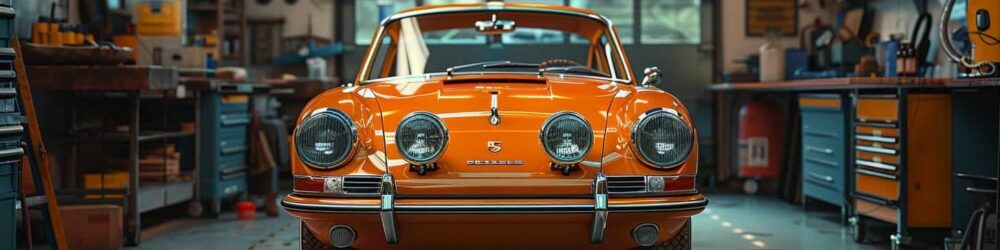


Purchasing a classic vehicle is not just a financial investment; it is a commitment to preserving a piece of historic automotive heritage. Many enthusiasts seek the thrill of driving a car that tells a story, but before diving into such an acquisition, there are crucial elements that demand thorough evaluation. Understanding what to look for can mean the difference between a prized possession and a money pit.
One of the first steps in this journey is conducting a thorough inspection of the vehicle. Beyond the aesthetic appeal of the car’s exterior, buyers should delve deeper into its mechanical integrity, bodywork condition, and overall performance. This process should also include verifying appropriate documentation, such as service history and previous ownership, helping to establish the authenticity of the vehicle.
To facilitate a comprehensive assessment, preparing a detailed checklist can be invaluable. This checklist should encompass vital aspects, including the engine condition, chassis rust, interior wear, and the functionality of electrical systems. By systematically evaluating these factors, prospective buyers can ensure that they are making an informed decision and safeguarding their investment in a classic vehicle.
Assessing the Vehicle’s Condition and History

When considering the purchase of a classic vehicle, a thorough assessment of its condition and history is essential. This not only influences the value of the car but also impacts your ownership experience. Begin by creating a detailed checklist to evaluate various aspects of the vehicle.
Start with the exterior and interior condition. Look for any signs of rust, body damage, or mismatched paint, which may indicate past accidents. Inspect the chassis for structural integrity, as this is critical for historic vehicles. Inside, check for wear and tear on upholstery, dashboard electronics, and other components. A well-preserved interior can be a positive sign of the vehicle’s overall maintenance.
Next, delve into the vehicle’s mechanical condition. Pay attention to the engine, transmission, brakes, and suspension systems. Take the time to conduct a test drive, listening for unusual noises and evaluating the car’s handling. Inspecting under the hood can reveal vital information about the engine’s service history and any potential issues.
Equally important is the vehicle’s history. Request documentation, such as service records and title history, to gain insights into its past ownership and any major repairs performed. A classic vehicle with a well-documented history, especially one with few owners and consistent maintenance, is often more desirable. Confirming the authenticity of any modifications or restorations can also enhance the vehicle’s value.
Lastly, consider verifying the vehicle’s registration details and researching any historical significance it may hold. Classic vehicles often have stories that add to their charm, and understanding these can enhance your appreciation for the car. An informed purchase based on a comprehensive evaluation of condition and history will likely lead to a more rewarding experience as a classic vehicle owner.
Understanding Maintenance and Restoration Costs
When considering the purchase of classic vehicles, it’s crucial to evaluate the maintenance and restoration costs associated with their ownership. Vintage cars often require specialized care, which can significantly impact your budget. A well-constructed checklist can help you identify key factors to consider before making your investment.
First, assess the availability of parts for the specific make and model you are interested in. Historic vehicles may have limited production runs, leading to challenges in sourcing authentic components. Replacement parts for rare models can be particularly expensive, making it essential to ensure they are obtainable and within your financial scope.
Next, consider the condition of the vehicle you are eyeing. A car in excellent condition may have higher initial costs but will likely incur lower maintenance expenses compared to a project car that needs extensive restoration. Detailed inspections of the vehicle’s body, engine, and transmission are vital. Professional assessments can reveal underlying issues that might not be immediately visible.
Additionally, be mindful of ongoing maintenance requirements. Classic cars often need regular servicing, which can differ greatly from modern vehicles. Expenses related to oil changes, tire rotations, and specialized repairs should be anticipated. Consulting with experienced mechanics in classic vehicle restoration is advisable to gain insights into typical costs associated with your chosen model.
Lastly, factor in potential restoration projects if you plan to improve the vehicle’s condition. Depending on your objectives, the costs for cosmetic upgrades, engine overhauls, or interior refurbishments can add up quickly. It’s advisable to budget for these expenses upfront or as part of your overall checklist to avoid surprises down the line.
Evaluating Market Value and Investment Potential

When considering the purchase of classic vehicles, understanding their market value is crucial. Evaluating the current market trends allows potential buyers to identify which historic cars are in high demand and which ones are not. This can directly influence the investment potential of a vehicle, affecting both the purchase price and potential resale value.
To accurately assess market value, examine recent sales data of similar vehicles. Look for completed sales at auctions, as well as listings on reputable marketplaces. A comprehensive checklist should include factors such as the vehicle’s age, condition, rarity, and provenance. These elements significantly contribute to establishing the worth of a classic car.
Investment potential must also be considered. While some historic vehicles appreciate over time, others may stagnate or even decline in value. Researching the history of price trends for specific models is essential. Additionally, consider upcoming trends in the classic car market, including the growing interest in electric classic vehicles or restoration projects. Understanding these dynamics can better inform purchasing decisions and enhance future investment outcomes.
Ultimately, a thorough evaluation of market value coupled with a strategic approach to investment potential will ensure that buyers make informed choices while navigating the world of classic vehicles.


