
Classic cars possess a unique charm and history, attracting enthusiasts and collectors alike. However, owning a vintage vehicle comes with its own set of challenges, particularly when it comes to identifying rust and other structural issues. Understanding the condition of a classic car is essential for preserving its value and ensuring safety on the road.
One of the key components to assess in any classic car is the frame. A compromised frame can lead to serious structural integrity problems, affecting not only the performance of the vehicle but also the safety of its occupants. The frame serves as the backbone of the car, supporting the body and providing stability; if it is damaged or severely rusted, it can result in costly repairs and diminish the car’s overall value.
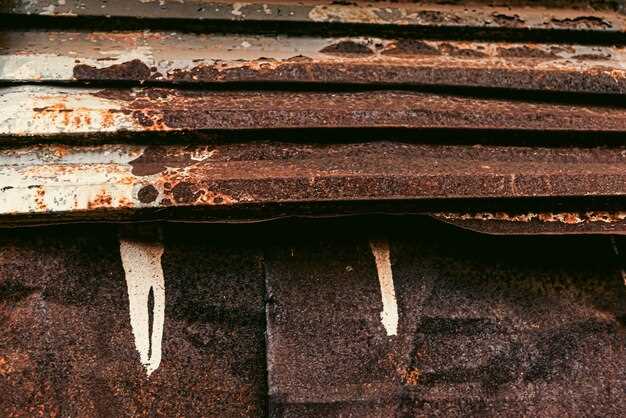
Conducting a thorough assessment of a classic car should begin with a detailed visual inspection. This includes checking for visible signs of rust, particularly in areas prone to corrosion, such as the wheel wells, undercarriage, and frame. Early detection of rust can help prevent further deterioration and maintain the car’s structural integrity.
Conducting a Thorough Rust Assessment on Classic Vehicles
When evaluating classic vehicles, conducting a thorough rust assessment is crucial to ensuring the integrity of the car. Rust can compromise both structural and aesthetic elements, making it essential to identify potential issues early in the assessment process.
Begin by examining the exterior panels, including fenders, doors, and hoods. Pay close attention to seams and welds, as these areas are often prone to rust formation. Look for bubbled paint, discoloration, or any signs of corrosion. Use a magnet to detect hidden rust, as it may indicate more severe underlying issues.
Next, inspect the undercarriage and frame. Rust in these areas can greatly impact the vehicle’s structural integrity. Look for flaking paint or a rough texture, which are indicators of rust development. It’s important to check both the surface and any internal cavities that may trap moisture.
Interior assessments are equally important. Check beneath carpets and upholstery for water damage or rust accumulation. Inspect the floorboards and trunk as these areas can often hide significant rust problems.
Finally, consider using a moisture meter to detect hidden rust. This tool can identify increased moisture levels, indicating potential rust development which isn’t immediately visible. By performing a comprehensive rust assessment, you can accurately determine the extent of any issues and make informed decisions regarding restoration or repair.
Evaluating Frame Integrity: Key Indicators to Look For
When assessing the integrity of a classic car’s frame, it’s essential to identify signs of rust and structural issues that could compromise safety and performance. The frame is the backbone of the vehicle, and any deterioration can lead to more extensive problems down the line.
One of the first indicators to examine is the presence of rust. Look for discoloration, bubbling paint, or flaking metal, particularly in corners and welds where moisture can accumulate. Surface rust may not be alarming, but if it has penetrated deeper layers, it can lead to structural weakness. Utilize a magnet to check for rust damage; if it doesn’t stick in certain areas, there could be holes or severe rust damage.
Next, inspect for frame misalignment. An uneven frame can indicate accidents or wear over time. Check that all four corners of the car sit evenly on the ground. Additionally, perform a visual inspection to see if the frame appears straight from various angles. Look out for signs of bending or twisting, especially near the suspension attachment points.
Pay attention to the joints and welds of the frame. Cracks, breaks, or poorly executed repairs can jeopardize the entire structure’s integrity. It’s crucial to evaluate whether the repairs made are of high quality or simply a temporary fix. Additionally, rusty or corroded welds should raise immediate concern, as they may not hold under stress.
Lastly, a thorough examination of the undercarriage is vital for fully assessing frame integrity. Look for signs of rust, as well as any structural additions that might indicate previous repair attempts or patchwork. Check for any signs of leaks from the fuel or brake lines, and ensure that all components are firmly attached to the frame.
By rigorously evaluating these indicators, you can better assess the integrity of a classic car’s frame, ensuring it remains safe and reliable for years to come.
Recommended Tools and Techniques for Detecting Structural Problems
Maintaining the integrity of classic cars requires diligent assessment of potential rust and structural issues. Several tools and techniques can assist in identifying these problems effectively.
One of the most useful tools is a metallic probe, which allows you to check for rust under paint and in hard-to-reach areas. By carefully scraping the surface, you can reveal hidden corrosion that may compromise the structural integrity of the vehicle.
A flashlight can also be invaluable in inspecting less visible areas. Shine a bright light into wheel wells, undercarriages, and behind panels to uncover any hidden rust spots or structural damage that might not be easily perceptible to the naked eye.
Ultrasonic thickness gauges provide accurate measurements of metal thickness, allowing you to assess if areas have rusted thinner than they should be. This tool is especially useful for evaluating critical load-bearing components of the vehicle.
Magnetic particle inspection is another effective technique used primarily in professional settings. This method involves applying magnetic fields and fine particles to identify cracks and discontinuities in metal structures, indicating potential areas where rust may have compromised integrity.
Visual assessment is crucial as well. Regularly inspecting areas prone to rust, such as wheel arches, floor pans, and undercarriages, can help catch issues early. Look for flaky paint, discoloration, or bubbling that may indicate underlying corrosion.
Lastly, engaging with professional restorers can provide insights based on years of experience. They often have access to specialized equipment and the expertise necessary to perform thorough assessments, ensuring that your classic car maintains its structural integrity for years to come.


